In a win for Americans, the Supreme Court is allowing deportations to proceed. Justice Samuel Alito recused himself in a key case that will determine whether federal law preempts state efforts to limit alleged injuries from climate change. The Supreme Court also allows a Tennessee execution to proceed, the Ninth Circuit upholds a sweeping law that will publicize the names of political donors, and the Trump Administration asks the Supreme Court to allow its new policies on inmates with gender dysphoria to continue.
Supreme Court gives the Trump Administration an immigration win – for now

The Supreme Court has granted the Government’s request to allow the Department of Homeland Security’s third-country removal policy (where illegal aliens are deported to countries that are not their own) to proceed for the time being—until the full case can be heard.
Justice Samuel Alito Recuses
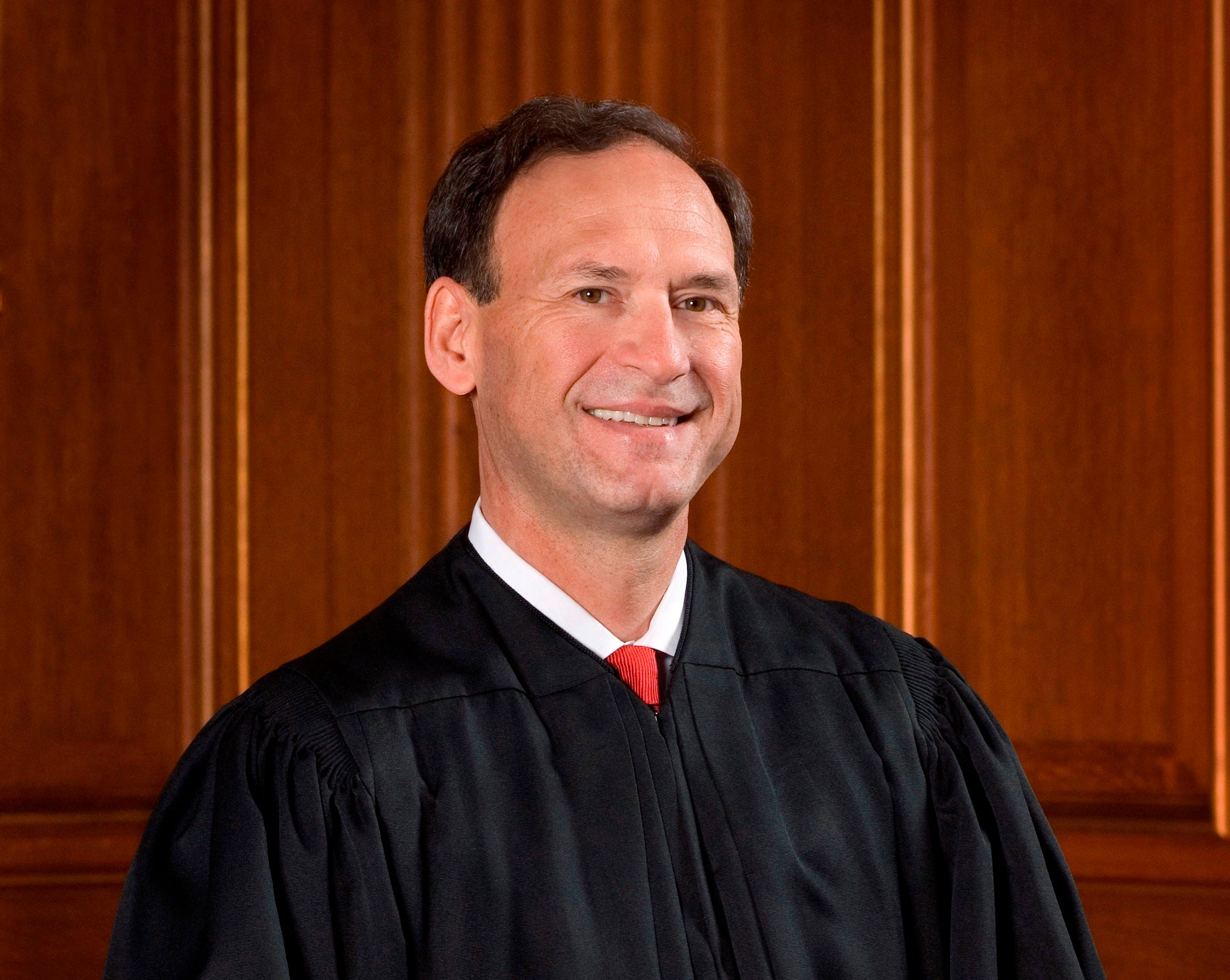
Justice Samuel Alito has recused himself from participating in the case of Suncor Energy v. Boulder County, which concerns “whether federal law precludes state-law claims seeking relief for injuries allegedly caused by the effects of interstate and international greenhouse-gas emissions on the global climate.”
Though no explanation was given in the recusal letter, Justice Alito explained that he thought “recusal was the prudent step” due to his ownership of stock in energy companies (stocks his wife inherited), even if it was not required. Justice Alito’s decision is a blow to those arguing that federal law preempts state-law claims for damages relating to climate change, which includes the Trump Administration. Oral arguments in this case are scheduled for October 5, 2026.
Supreme Court allows execution to proceed
On September 30, the Supreme Court lifted a stay of the execution of Christa Pike, who was convicted of a gruesome 1995 murder in Tennessee. Her execution, which was originally scheduled for the morning of September 30, was attempted last night - unsuccessfully as of Wednesday evening - resulting in her being taken away by ambulance.
Justices Sotomayor dissented and was joined by Justices Kagan and Jackson. Justice Sotomayor argued that the Supreme Court should have allowed the stay of the execution to remain as the Sixth Circuit Court of Appeals considered Pike’s “still-pending legal challenges.” Pike had argued that her attorney failed to present adequate mitigation evidence during sentencing.
The State of Tennessee, which ultimately persuaded the Court, had argued that Pike’s ineffective-assistance claim had already been raised and was thus barred from reconsideration. Tennessee also observed while Pike had approximately 47 days to bring her motion to the court, she waited until it was “less than 24 hours before her scheduled execution.”
In other news:
The Ninth Circuit has upheld an Arizona law that allows its citizens “to discover the original source of all major contributions used to pay for campaign media spending in an election cycle.” The law was challenged on First Amendment grounds, with allegations that the law’s compelled disclosures chilled “protected speech and associational rights.” Those are strong arguments – we expect this case will ultimately be reviewed by the Supreme Court.
The Trump Administration has asked the Supreme Court to stay a district court’s order that prohibits the Federal Bureau of Prisons from implementing a new policy that will end “sex-trait-modification surgeries” and “hormone interventions” for “inmates with gender dysphoria.”